
STAY CONNECTED
Signup for our blog to receive tips and knowledge on industrial wash and wash water treatment best practices.
Work with Us
Don’t settle for less than a solution from a partner who takes complete responsibility from start to finish. We make it easy to keep things clean and compliance effortless. Contact us today to discuss your wash water treatment and industrial wash needs.
06/15/2026
Counting Contractors: How Many Vendors Does It Take to Build a Custom Wash Bay?
Building a permanent wash bay usually involves seven or more separate vendors, including a civil engineer, a concrete contractor, a plumber, an equipment supplier, a water treatment provider, an electrician, and a permitting specialist. The build is the easy part to picture. Managing everyone around it is the part that quickly turns into a second job.
At Evans, we say it doesn’t have to work that way. Building a custom wash bay becomes a major coordination problem, but coordination problems can have clean solutions with the right partner. Let’s count the contractors you could use, and then show you the version where you only have to talk to one.
A Wash Bay Isn’t a Typical Construction Project
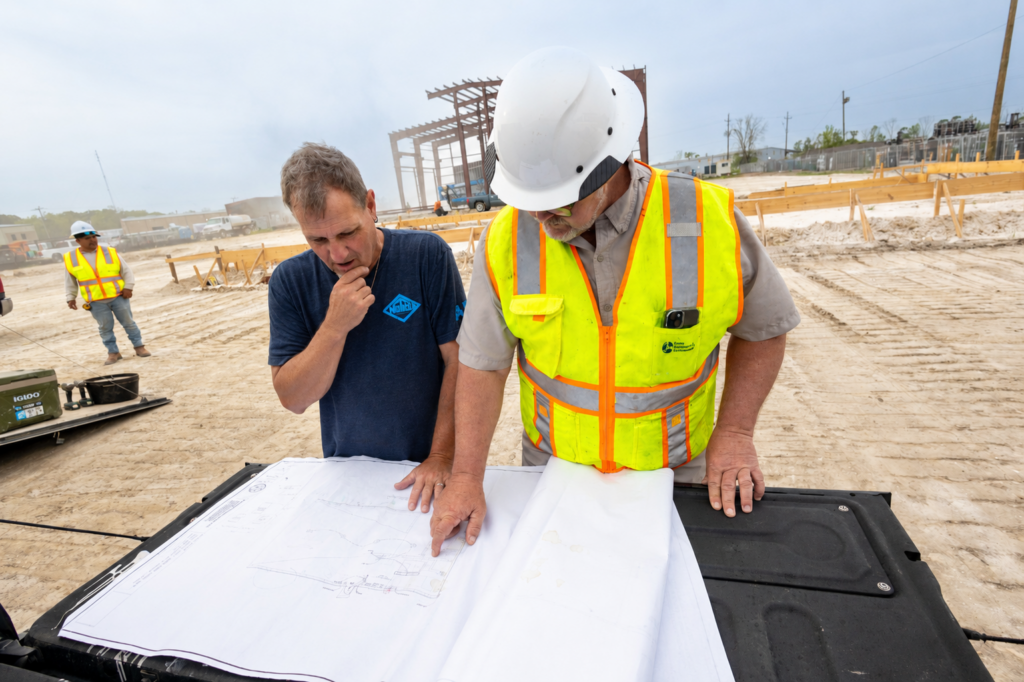
When most operators plan a wash bay, they plan for the build: the pad, the pit, the equipment. That’s the visible work. Once you’re locked in, you find out everything that must be coordinated and how many different companies own different components of the finished project.
Each of those companies likely possesses expertise in its own area, so the main problem shouldn’t be vendor competence. The challenge is that no single one of them is responsible for the final product. Whether you end up with a finished, compliant, running system depends on your ability to successfully manage and coordinate these vendors throughout the wash bay build.
Start Counting Who’s Actually Involved
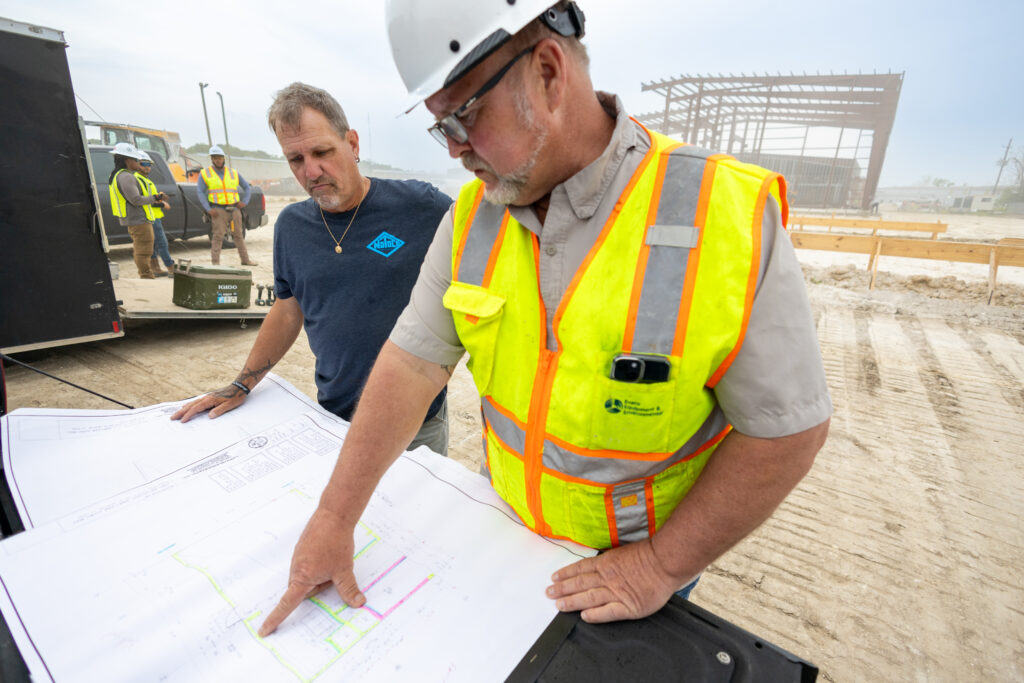
Run a wash bay project the traditional way, and the vendor lineup and project breakdown will look something like this:
- Civil engineers design drainage, grading, and the pad on which your system sits.
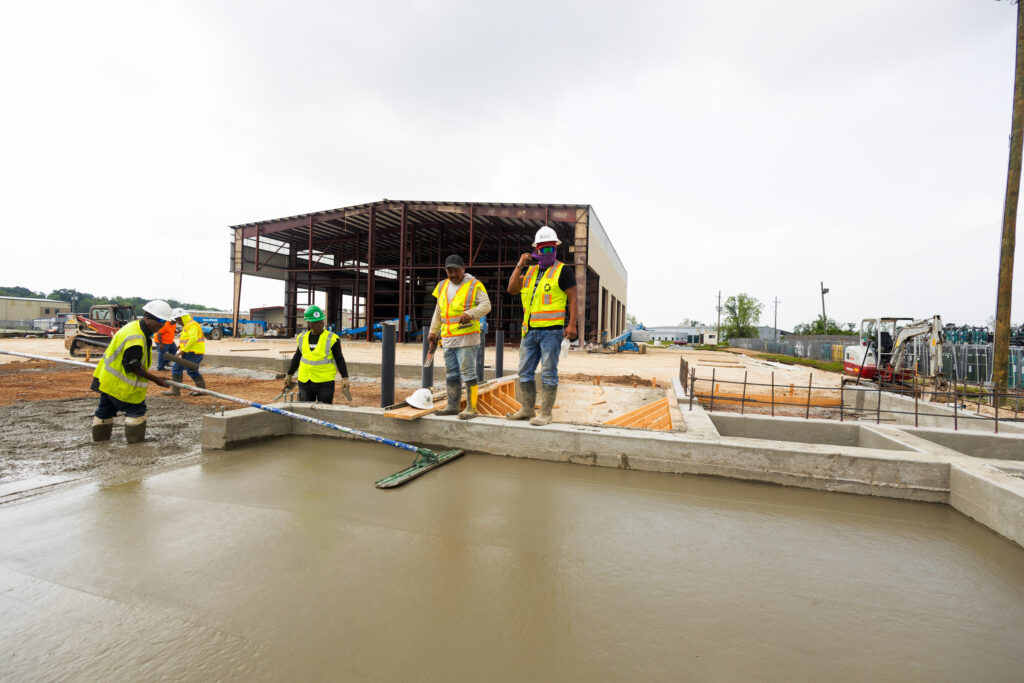
- Concrete contractors pour the pad, the slope drive-in pit, and the settling pits.
- Plumbers run wash and wastewater lines correctly (hopefully the first time).
- Equipment vendors supply the pressure washers, pumps, and the wash rack itself.
- Water treatment providers install closed-loop or discharge systems that keep you compliant.
- Electrical contractors power and wire the whole setup safely.
- Permitting specialists determine local regulations for wastewater permitting.
Add a trucking company to haul water out.
Then, call a service company to keep things running, and a reliable repair company to address emergency breakdowns.
Now you’re managing over a dozen relationships with even more phone numbers, emails, and meetings to get the job done.
Where Gaps Usually Show Up
The problematic aspect of multi-vendor projects isn’t any single task. It’s the handoffs between them.
Every subcontractor is responsible for optimizing for their own scope. The concrete guy wants a clean pour. The electrician wants a clear panel. But when it’s every man for himself, the chain of work doesn’t necessarily guarantee an optimized outcome for you. Who is responsible for ensuring the finished system washes, stays compliant, and runs without constant issues?
The gaps typically occur between these handoffs. The engineer’s drawings don’t match the equipment needs. The permit comes back with a requirement that the concrete had already been poured around. The water treatment system arrives before the electrical system is ready for it. Each of these miscommunication events will likely cause a delay. None of it is any one vendor’s fault, but that’s the frustrating part. The project becomes yours to manage, one handoff at a time, with all the unexpected hurdles along the way.
The Hidden Cost Isn’t on the Invoice
A re-poured pad, a permit revision, a piece of equipment sitting on a truck waiting for power – none of these show up in the original quote. They show up as weeks added to your timeline and crews standing around on yours. The traditional model doesn’t just cost you coordination time; it exposes you to financial risk in every handoff. A turnkey build collapses that risk because the team absorbing the delay is the same team responsible for preventing it.
One Warranty Instead of a Finger-Pointing Exercise
When a multi-vendor system fails an inspection or springs a leak six months in, whose problem is it? It could be a million-dollar question. The concrete contractor points at the plumber. The plumber points at the equipment supplier. You’re the one standing in the middle, holding a stack of separate warranties from different companies.
A turnkey build closes that gap before it opens. When one partner designs, builds, and maintains the whole system, one partner stands behind it. If something needs attention, you make one call, and the team that installed it shows up, no diagnosing which vendor owns the failure, no waiting while two companies argue over scope. Single accountability isn’t just easier during the build. It’s what protects you for years after it.
What “Turnkey” Should Actually Mean
Many industrial washwater businesses claim to offer a turnkey solution, but they only oversee a portion of the project. In the context of a custom wash bay build, a true turnkey solution means a single entity manages, executes, and owns every phase, including: design, concrete, plumbing, equipment, water treatment, electrical, and permitting.
At Evans Equipment & Environmental, that’s the model of our operations. We build permanent wash bays and closed-loop water treatment systems with our in-house construction team pulling permits, pouring concrete, and overseeing the wiring of the final panel. The handoffs still happen, but they stay under the umbrella of one team that totally owns the final result.
What the Turnkey Process Looks Like at Evans
The traditional way is a dozen calendars you’re trying to sync. Here’s the version where one partner runs the whole sequence:
- Site visit: We come to you, assess your space, drainage, power, and wash requirements, and design around what’s actually there.
- Design and permitting: Our team engineers the system and pulls the local, state, and regional permits. Permitting is locally regulated and can take some time, so we start it early.
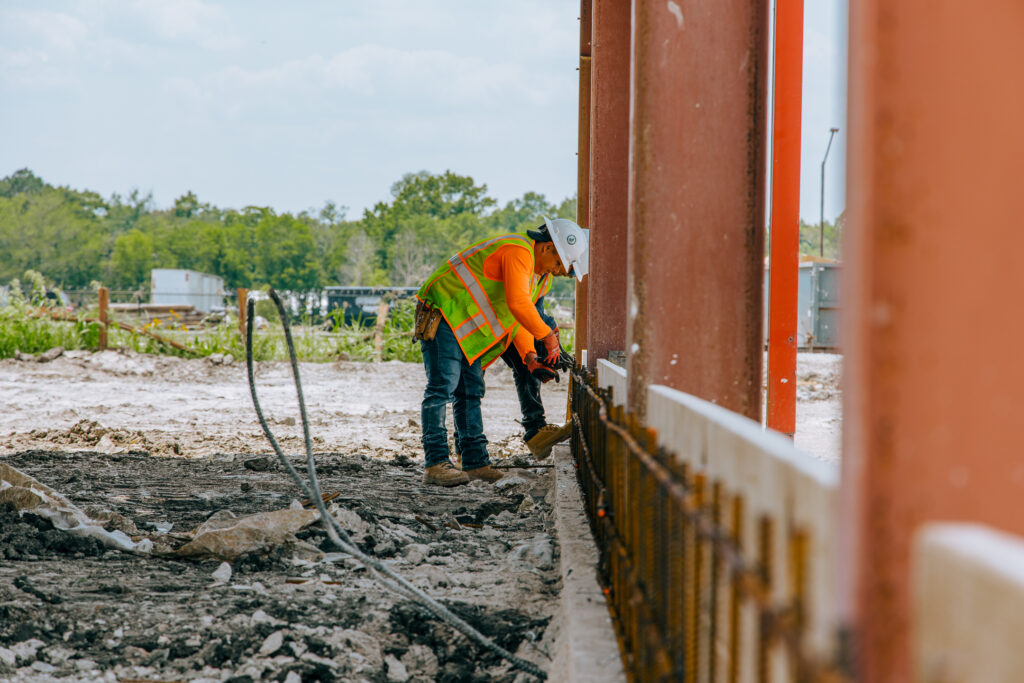
- Concrete and plumbing: We pour the pad, pit, and settling system, and run the wash and wastewater lines as one coordinated step, not two vendors hoping their work lines up.
- Construction and Installation: Our in-house construction team gets to work on the wash bay, building splash walls, bollards, or any additional features required.
- Equipment and water treatment: Pressure washers, pumps, and the wash rack go in alongside the closed-loop or discharge system that keeps you compliant from day one.
- Electrical and startup: We work with an electrician to power and wire the system, test it, and bring it online.
- Ongoing service: The same team that built it stays on for preventive maintenance and 24/7 support.
At Evans, most custom builds run 30 to 60+ days from design to startup, depending on your specs. With one team, you get smoother handoffs and minimized delays. And, in the case of a complication, there’s only one phone number you have to call.
Stop Managing Six Vendors. Make One Call.
The real value comes not only from the high quality of Evans custom wash bay builds, but also from the time you gain back in your operations. With a turnkey partner, your coordination burden disappears. You’re not chasing down timelines or refereeing scope disputes. You make one call, you talk to one person, and that person owns the outcome from the first site visit through the build and into long-term maintenance.
This is a big decision. If you’ve been thinking, “I don’t want this project to become my problem for the next two years,” that’s the point. With a single partner, one that works coast to coast, it doesn’t become a problem at all.
Count the contractors. Then count the calls it should actually take. The difference is Evans.
Ready to trade the vendor lineup for one partner?

When built the traditional way, a wash bay can involve seven or more vendors, including a civil engineer, concrete contractor, plumber, equipment supplier, water treatment provider, electrician, and permitting specialist. That’s before factoring in trucking and service companies.
Yes. Evans helps manage local, state, and county permitting, which is regulated at the local level and can be the longest part of the timeline. Evans also designs the closed-loop or discharge water treatment system as part of the same turnkey scope.
Evans can stay on as your partner with ongoing service, preventive maintenance, and 24/7 technical support, so the same team that built your system keeps it running clean and compliant.
Cost depends on bay size, equipment specs, and whether your site needs a closed-loop or discharge water treatment system. The bigger point: a turnkey build is quoted as one scope, so you’re not absorbing surprise change orders every time two vendors disagree. We’ll give you a clear number based on your site and washing requirements.
Yes. Evans works coast to coast, managing the full build with our own in-house team regardless of where your site is located. Local permitting and regulations vary by region, and handling that for you is part of the turnkey scope.
In most cases, yes. We start with a site visit to assess your existing pad, drainage, power, and space, then design around what’s already there. Whether it’s a new build or an upgrade to a system that isn’t keeping you compliant, the same single-partner model applies.